
Insulation Wraps
Insulation wraps play a key role in controlling heat flow, air movement and moisture across wall and roof structures. Applied externally during construction, these wraps create a barrier that improves thermal efficiency before the internal insulation is even installed.
This is especially important in Australia’s mixed climate, where homes and commercial buildings are exposed to seasonal extremes. By acting as a protective layer beneath cladding or roofing, insulation wraps help reduce energy loss, limit drafts and shield against condensation. For builders and homeowners looking to meet or exceed minimum energy ratings, using the right wrap system can make a measurable difference.
We install foil-backed wraps, breathable membranes and rigid insulation panels depending on the structure type and desired outcome. The insulation Albury–Wodonga expert builders depend on must work in combination with wall and ceiling batts to form a complete thermal envelope. Our team selects and installs products that meet compliance while boosting long-term performance.
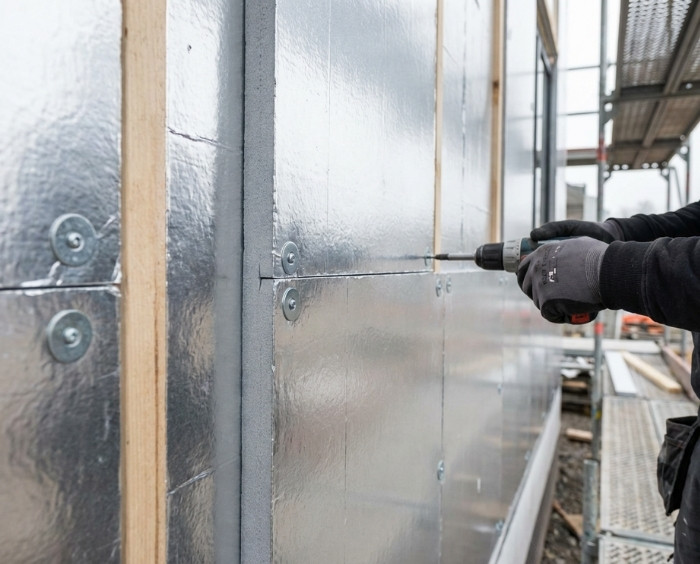
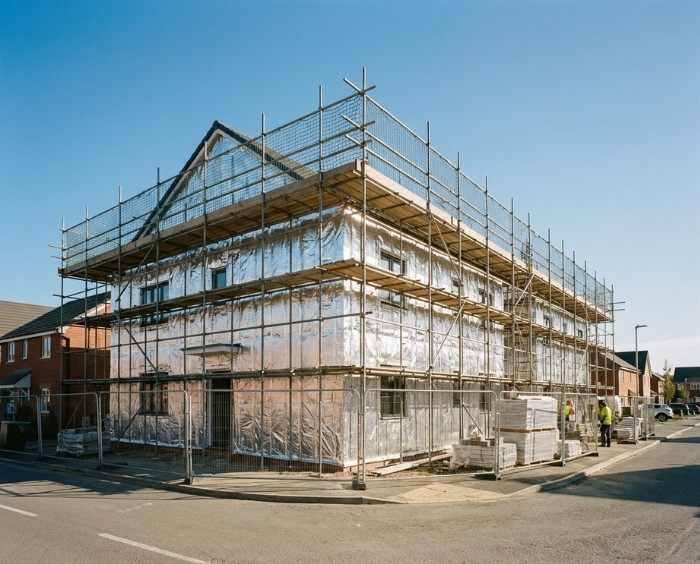
Unlike internal insulation, which is fitted between wall studs or ceiling joists, wrap products are fixed to the outside of the frame. This eliminates thermal bridging, a common issue where heat transfers through uninsulated framing, and provides a more consistent barrier across the whole surface.
On residential builds, wraps are often applied behind lightweight cladding. In commercial or multi-storey projects they may form part of a rainscreen or ventilated façade system. Common options include rigid insulation boards, foilboard insulation green rigid panels and vapour-permeable membranes designed to breathe. These systems also support moisture control by preventing water ingress while allowing trapped humidity to escape.
When correctly installed, insulation wraps contribute to lower energy bills, better indoor comfort and reduced risk of structural damage from condensation buildup. Our team works closely with local builders to ensure correct placement, fixing and sealing of all external insulation layers for both performance and durability.
When to Use Insulation Wraps
Insulation wraps are most commonly installed during the framing stage of new builds, but they can also be used during major renovations or cladding replacements. Scenarios where wraps add significant value include:
- New homes aiming for 6 or 7-star energy ratings
- Lightweight constructions with minimal mass
- Steel-framed homes vulnerable to thermal bridging
- Multi-residential or commercial developments with shared external walls
- Builds in alpine or coastal zones where moisture management is essential
When wraps are paired with internal insulation and appropriate roof ventilation, the building envelope performs more efficiently overall.
Foilboard and Rigid
Rigid wall insulation is often selected when greater thermal resistance is needed, or when builders prefer a stiffer and more durable wrap surface. These come in the form of rigid insulation boards or foilboard panels, which act as both a thermal barrier and structural sheathing.
We supply and install:
- Foilboard insulation green rigid panels
- Rigid wall insulation and external insulation panels
- Foilboard insulation systems for wall and roof applications
- Breathable membranes and sarking with reflective backing
Foilboard insulation review data consistently supports its effectiveness in improving air tightness, reducing heat transfer and helping buildings meet energy code requirements.
That Performs
Our wrap systems are compatible with a wide range of construction types and are installed to meet or exceed National Construction Code standards. These products form a continuous barrier around the building, boosting energy efficiency and protecting the internal structure from weather extremes.
Benefits include:
- Improved thermal consistency throughout the structure
- Protection against water ingress and condensation
- Reduced air leakage and draughts
- Long-term durability and compliance with fire safety and performance standards
We collaborate with architects, designers and building teams to ensure every wrap installation is correctly integrated with framing, insulation batts and final cladding.
FAQ:
Can I use wrap on its own without batts?
No. Wraps must be used in combination with bulk insulation to meet required R-values.
What’s the difference between wrap and foilboard?
Are rigid insulation boards better than flexible wraps?
Do wraps reduce moisture problems?
Will insulation wraps help lower energy bills?
Contact Us for Insulation Wraps in
If you’re building or renovating and want to achieve better energy ratings, insulation wraps are one of the most effective ways to improve performance from the outside in. At Enviroshield Insulation, we supply and install external insulation solutions designed to suit Australian homes and commercial buildings. Our systems include rigid foilboard, breathable membranes and composite wraps that resist heat transfer while supporting moisture control.
We work with construction professionals across Albury–Wodonga to install insulation wraps that form part of a compliant, high-performing building envelope. All materials are chosen for their durability, thermal efficiency and suitability to the local climate. If your project also involves ceiling, wall or underfloor insulation, we recommend considering an insulation upgrade service to ensure all elements are working together for maximum benefit.